
India’s Auto Market Rejig: Why SUV-Focused OEMs Are Surging Ahead

India’s automobile industry is witnessing a structural shift—one that’s not just cyclical but strategic. The latest sales data from April 2025 shows Hyundai getting edged out of the Top three OEMs by Mahindra and Tata Motors, while Maruti maintains its lead. The shift is not accidental—it’s a direct reflection of changing consumer preferences, supply-chain resilience, and product-market alignment.

SUVs Drive the Disruption

Mahindra’s 28% YoY growth (52,330 units) stands out in a slowing market. Their focused portfolio of SUVs like Scorpio N, Thar, and the new XUV range resonates with Indian buyers. Even their EVs, like the XEV9e and BE6, have gained early traction. Tata Motors, though slightly down, held third place, largely due to its balance across ICE and EV offerings.

Meanwhile, Hyundai, with a more balanced mix of hatchbacks and sedans, saw a 12% decline. This isn’t just a one-off. In February this year, Mahindra had already overtaken Hyundai, indicating a sustained pattern.

Why This Matters for Industry Players

As a market research consultant with deep exposure to the auto components and off-highway vehicle sectors, I see three key takeaways:

  1. Consumer Preference is Firmly Tilting Toward SUVs. The Indian middle class increasingly values space, road presence, and perceived safety—qualities strongly associated with SUVs. This calls for a recalibration in product strategy, especially for players still reliant on compact or hatchback-heavy portfolios.
  2. SUV-Only Strategy Shows Operational Clarity. Mahindra’s focused lineup has helped in streamlining inventory, dealer communication, and marketing investments. It’s a good case study on how narrowing the portfolio can enhance brand value and customer stickiness.
  3. Dealer Inventory & Demand Alignment is Critical. With slowing domestic demand, brands are realigning their stock levels. OEMs that delay this may end up discounting heavily, hurting both topline and brand perception.

For suppliers and OEMs alike, now is the time to:

  • Reassess demand forecasts by segment, not just geography.
  • Map Tier-1 and Tier-2 supplier readiness for SUV components (axles, suspensions, transmissions).
  • Rethink after-sales and service models suited to SUV ownership, especially in semi-urban and Tier-2 markets.

As competition intensifies and customer expectations rise, those who align quickly with market realities, not just past successes, will thrive.


Facebook
Twitter
LinkedIn
RECENT POSTS
Find out how our Consulting team can help you and your organization
Ready to validate your market opportunity and develop a winning go-to-market strategy?
RELATED POSTS
WhatsApp Icon
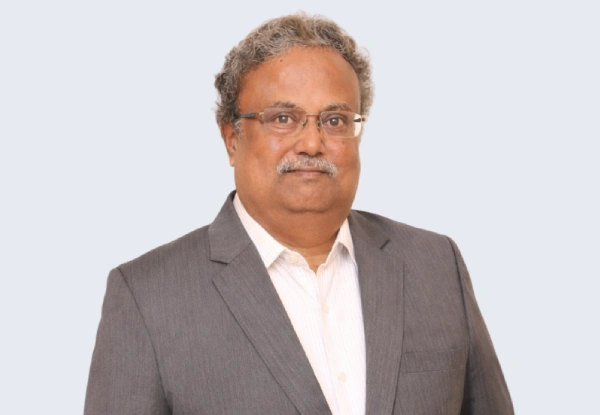
Suresh Kumar
Suresh Kumar is a Corporate Legal, regulatory, and Governance Advisor. He has been a leading legal counsellor in the manufacturing, automotive, software, and fintech sectors in India and the Middle East for more than 30 years.

He has been the Global General Counsel, Senior Vice President of Legal, and Company Secretary for prestigious business conglomerates, such as Hyundai Motor India, Ashok Leyland Group, Ramco Systems, Polaris, Financial Software & Systems, and Omzest Group. He has worked closely with Boards, promoters, and CXOs on issues related to corporate governance, compliance, mergers and acquisitions, contracts, and regulations.

At Kepler Ventures, he advises clients with governance frameworks, risk management, and complex legal and regulatory challenges.

S Sundara Moorthy
Strategy & Advisory Services
Sundara Moorthy is a leader in strategy and market intelligence with 18+ years of experience guiding businesses, investors, and organizations on growth strategies, market entry, and business transformation.

He has directed multi-sector engagements spanning manufacturing, consumer, retail, and supply chain industries, integrating comprehensive market analysis with results-oriented advisory services.
At Kepler Ventures, he oversees Strategy & Advisory Services, collaborating closely with leadership teams to define strategic priorities, inform decision-making, and facilitate scalable growth. Renowned for his methodical reasoning and practical methodology, Sundara assists organizations in converting intricate market dynamics into well-defined, actionable strategies.

Follow on Linkedin
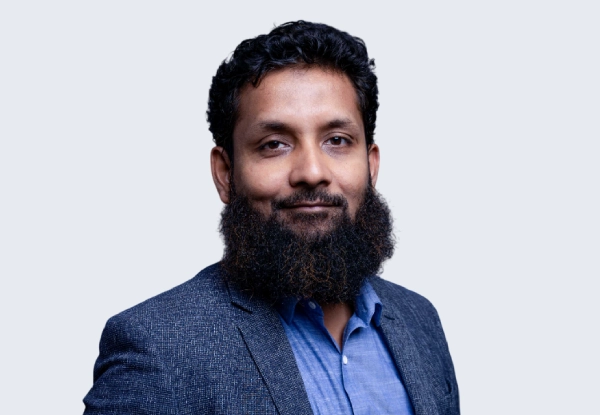
Khaja Hameed
Managing Partner

Khaja Hameed is the Managing Partner at Kepler Ventures, with over two decades of experience across technology leadership, digital transformation, and investment-led advisory.

He has worked with corporates, investors, and promoters on technology strategy, platform scaling, and value creation initiatives, including M&A, strategic investments, and i2i-led advisory engagements. Khaja brings strong expertise in IT governance, transformation programs, and transaction-driven decision support.

At Kepler Ventures, he drives firm strategy, client delivery, and investment advisory platforms, supporting organizations in evaluating, structuring, and executing growth through acquisitions, partnerships, and technology-enabled investments.

Follow on Linkedin
Bernard Ouriou
Founding Partner
Bernard Ouriou is the Founding Partner of Kepler Ventures, offering nearly twenty years of international expertise in strategy, consulting, and industry leadership.

He is a graduate of École Centrale de Paris and ESCP-EAP Business School. Bernard’s career reflects a dual path across management consulting at Bossard and senior roles in industry, primarily within the automotive sector—enabling him to build wide, cross-sectoral expertise. He is a specialist in rail, aeronautics, chemicals, and capital goods industries.


At Kepler Ventures, Bernard shapes strategic direction, drives international partnerships, and advises clients on cross-border growth and market expansion.

Follow on Linkedin
Case Studies